Lease vs. Buy: What Makes Sense for Your Acura?
Table of Contents
Lease vs. Buy: What Makes Sense for Your Acura?
Deciding whether to lease or buy your Acura affects your finances for years. Both options offer advantages, and the right choice depends on your driving habits, financial situation, and lifestyle preferences.
Understanding Leasing Basics
Leasing essentially means renting your Acura for a set period, typically two to three years. You make monthly payments that cover the vehicle's depreciation during your lease term plus interest and fees. At lease end, you return the vehicle and can lease or purchase a new one.
Monthly lease payments run lower than loan payments because you're only paying for the depreciation, not the entire vehicle value. This lets you drive a higher-trim Acura for the same monthly payment as buying a lower-trim model.
The Leasing Advantages
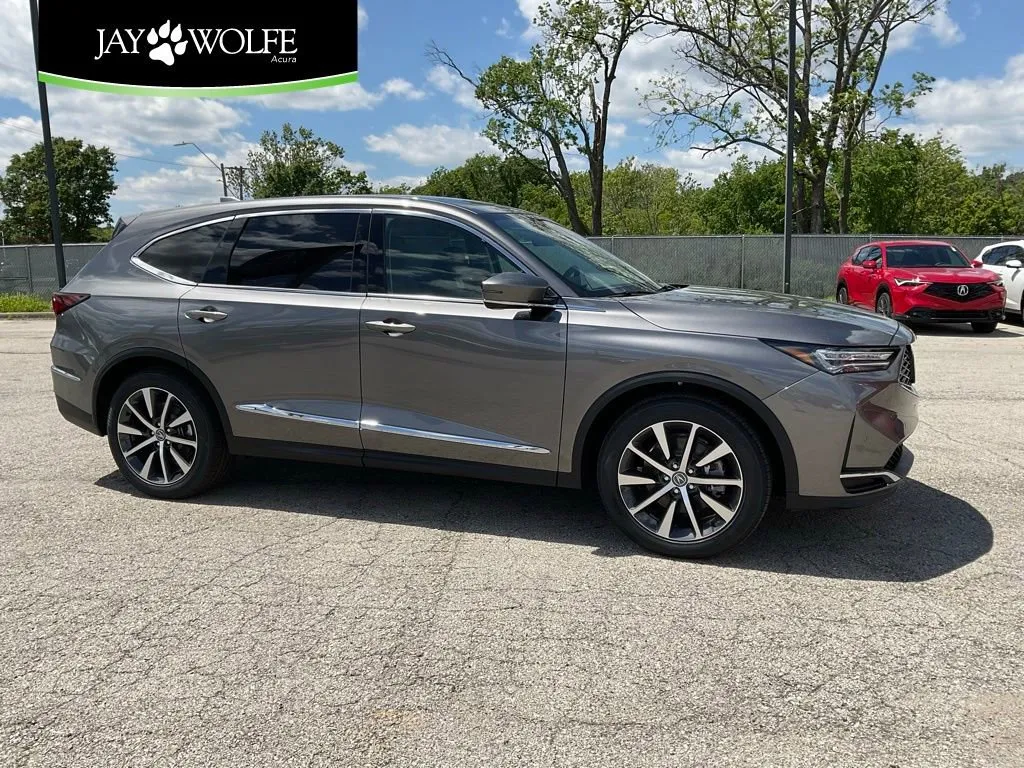
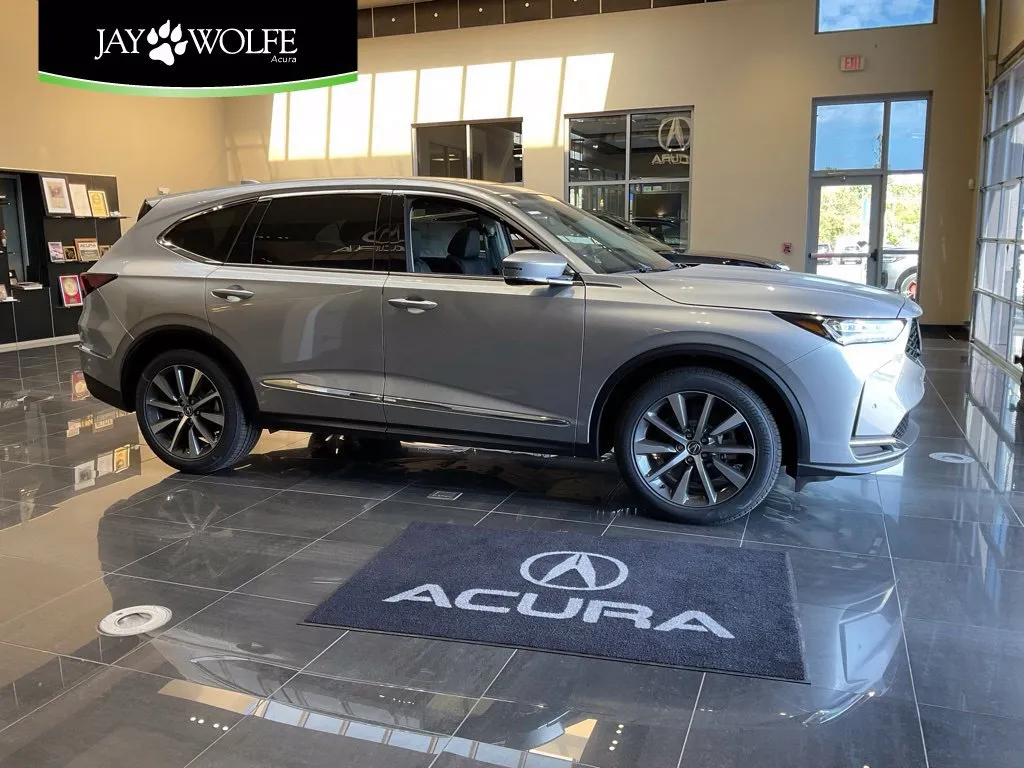
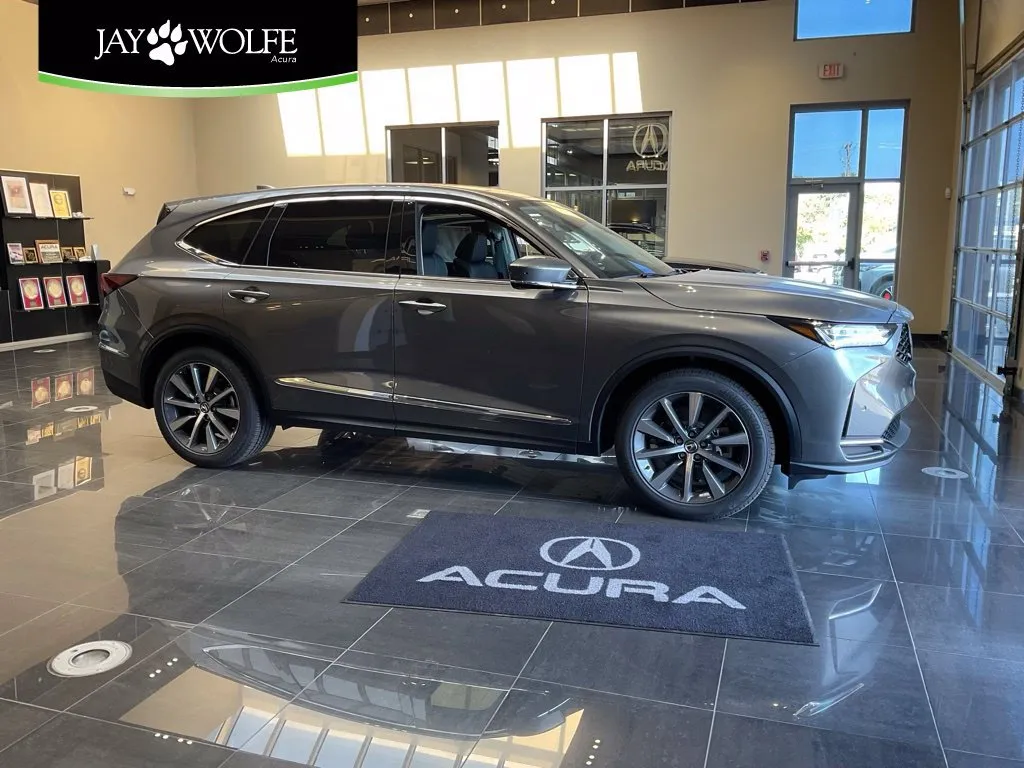
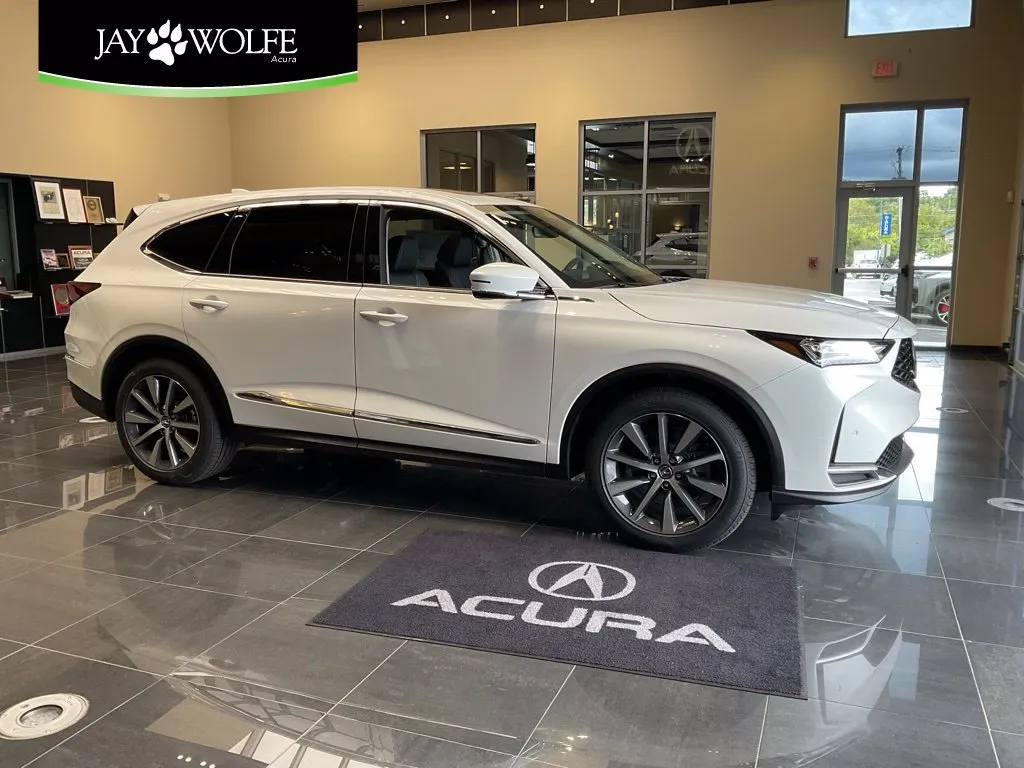
Lower monthly payments represent the most obvious benefit. If you want to drive a new TLX Type S or MDX with premium features but need to manage monthly expenses, leasing makes these vehicles more accessible.
You're always driving a newer vehicle under warranty. Maintenance concerns stay minimal, and you're not dealing with aging vehicle issues. Every few years, you get the latest technology, safety features, and styling.
For business owners, leasing can offer tax advantages. Consult your accountant, but lease payments on business vehicles may be partially or fully deductible.
When Buying Makes More Sense
Ownership appeals to drivers who keep vehicles long-term. Once you pay off your loan, you own the vehicle outright. No more monthly payments. You can drive it for years, building equity rather than making perpetual payments.
Buying eliminates mileage restrictions. Leases typically limit you to 10,000 to 15,000 miles annually. Exceed that, and you face charges of 15 to 25 cents per mile. If you drive extensively for work or pleasure, these penalties add up quickly. Ownership removes mileage concerns entirely.
You can modify or customize an owned vehicle however you want. Leased vehicles must be returned in original condition, limiting personalization options.
Financial Considerations
Leasing requires less money upfront. Down payments on leases run lower than purchase down payments. This preserves your cash for other investments or expenses.
However, buying builds equity. Your monthly payments increase your ownership stake. Eventually, you own an asset you can sell or trade. Leasing builds zero equity. Every payment is gone forever.
Over ten years, buying typically costs less than continuous leasing. But if you prefer driving new vehicles every few years anyway, the cost difference narrows significantly.
Your Driving Habits Matter
Low-mileage drivers (under 12,000 miles annually) benefit most from leasing. You stay within mileage limits easily and enjoy lower payments. High-mileage drivers should buy. Mileage penalties on leases become expensive quickly.
Consider how you treat vehicles. If you're meticulous about maintenance and care, leasing works well. If you're rougher on vehicles or have kids who create interior chaos, buying eliminates wear-and-tear penalty concerns at lease end.
Making Your Decision
Neither leasing nor buying is universally superior. Lease if you want lower payments, enjoy driving new vehicles frequently, stay within mileage limits, and prefer predictable costs. Buy if you drive extensively, plan to keep your vehicle long-term, want to build equity, or desire complete ownership freedom.
Need help deciding whether to lease or buy your next Acura? Visit Jay Wolfe Acura and our finance team will analyze your driving habits, budget, and goals to recommend the smartest option for your situation.